
“Unifying efforts to protect Manila Bay’s communities, ecosystems, and its future”
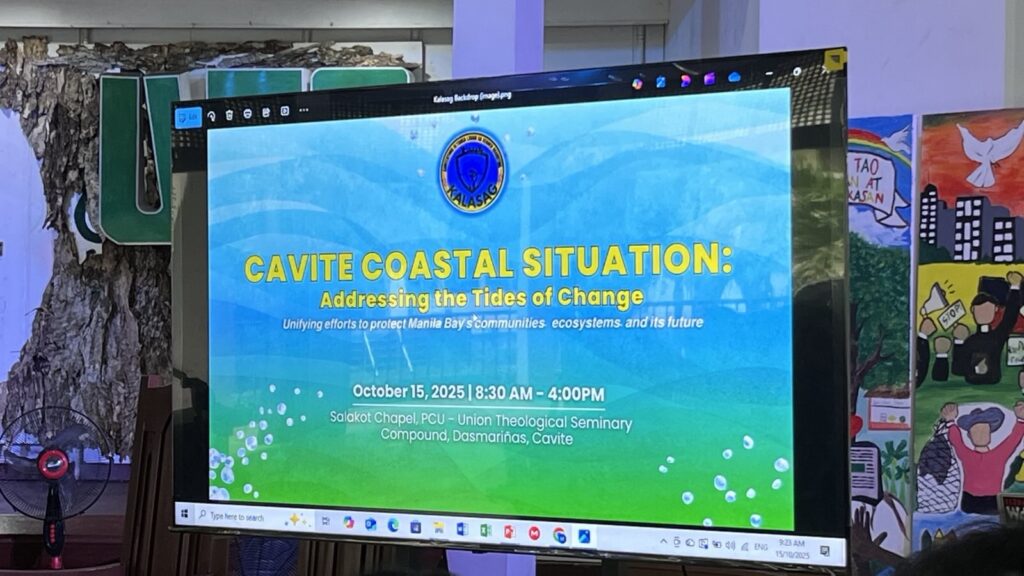
 Date: October 15, 2025
 Time: 8:30 AM – 4:00 PM
 Venue: Salakot Chapel, PCU – Union Theological Seminary Compound, Dasmariñas, Cavite
Overview
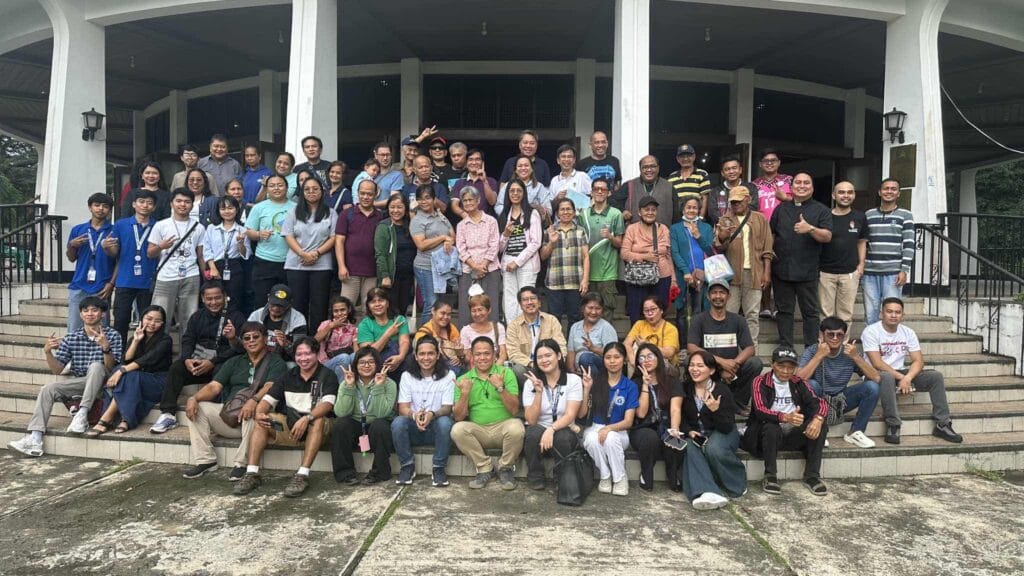
Last October 15, 2025, Blue Earth Defense Philippines (BED PH), as part of the Kabitenyong Alyansa Laban sa Seabed Quarrying (KALASAG), successfully organized a provincial consultation titled “Cavite Coastal Situation: Addressing the Tides of Change.”
The activity aimed to:
1. Analyze and discuss the current state of Manila Bay and its communities.
2. Strengthen collaboration among stakeholders for environmental protection; and
3. Build and sustain a green network for Cavite’s ecological future.
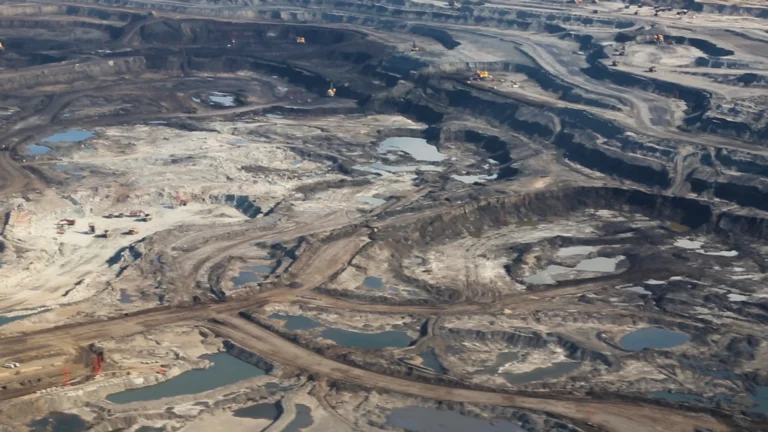
For centuries, Manila Bay has served as a cradle of life — nurturing fisheries, communities, and cultural heritage. Yet today, it faces immense ecological challenges: reclamation, seabed quarrying, plastic pollution, declining fisheries, and the worsening effects of climate change.
The consultation sought to bring together advocates, fisherfolk, civil society, faith communities, government agencies, and the academe to collectively seek solutions for a sustainable and just future for Manila Bay.
Program Highlights
The program began with an Opening Prayer and biblical-theological reflection, emphasizing that the Church should take a moral stand against destructive projects and uphold the duty to care for Creation.
The event was facilitated by Jassim Guila, Organizing Director of Blue Earth Defense.
Main Discussions
1. State of Manila Bay
Speaker: Diovanie de Jesus, Oceana Philippines
De Jesus emphasized that “Manila Bay is alive” but continues to face mounting threats and challenges — from pollution and habitat loss to unsustainable development.
2. Seabed Quarrying and Reclamation
Speaker: Bernie Larin, Alyansa Tigil Mina (ATM)
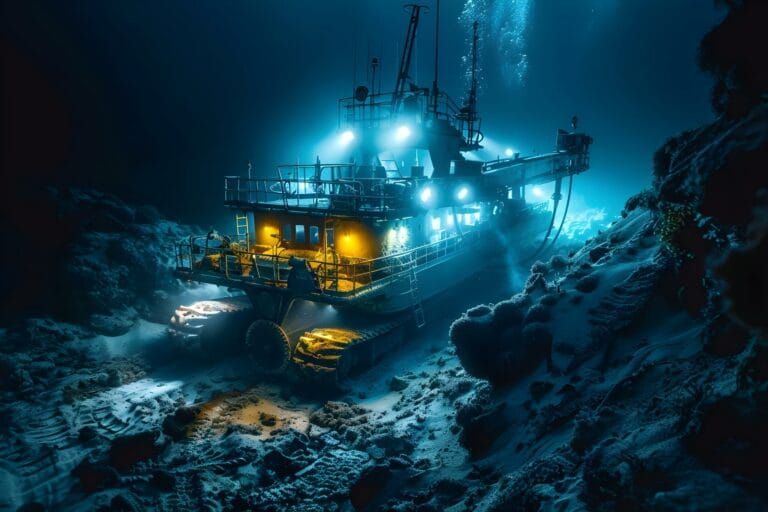
Larin discussed how Cavite has become a host of reclamation and seabed quarrying projects that directly destroy the ocean floor, damage fisheries, and negatively affect the lives of coastal residents. He called for stronger opposition and unified local actions against these destructive activities.
3. The 15-Kilometer Municipal Waters
Speaker: Pepe Tanchuling, Tambuyog Development Center
Tanchuling explained that the recent rules allowing commercial fishing operations to enter municipal waters primarily benefit large fishing corporations, particularly Mercidar Fishing Corporation, which is reportedly connected to influential politicians and national government figures.
He warned that these policies undermine the rights of small-scale fishers and threaten marine sustainability.
4. Marine Plastic Pollution
Speaker: Dr. Johnny Ching, Assistant Vice Chancellor for Research, De La Salle University–Dasmariñas
Dr. Ching emphasized that plastic pollution has reached alarming levels, with microplastics now found in the fish consumed by people. He stressed the need for stricter waste management, community education, and the reduction of plastic dependency.
Other Issues and Presentations
1. The State of Marine Turtles
Speaker: Roger Bilugan, Pawikan Patrol
Bilugan reported that soil erosion from quarrying activities causes seawater to seep into turtle nests, preventing eggs from hatching. Plastic waste also threatens sea turtles’ survival.
He shared that in August 2025, an endangered hawksbill turtle was found but later died — a tragic symbol of the worsening coastal crisis.
2. Noveleta Mangrove Forest
Speaker: Lany Gaquit, Noveleta Mangrove Farmers Association
Gaquit shared that the government-funded mangrove area in Noveleta, established under the National Greening Program of DENR, was destroyed by another government project — the Novelex road construction by DPWH.
This incident highlighted the inconsistency between environmental and infrastructure policies.
3. Ternate Marine Park
Speaker: Bryan Novejas, MENRO Ternate
Novejas discussed the challenges faced by third-class municipalities like Ternate in protecting marine resources due to limited financial and technical capacity. He called for stronger inter-LGU and community collaboration to safeguard marine protected areas.
4. PENRO Cavite Updates
Speaker: Andrea Apuya, PENRO Cavite
Apuya shared ongoing efforts of the Provincial Environment and Natural Resources Office, including:
1. Establishing a marine protected area in Maragondon that features corals, seagrass, and mangroves, making Cavite ecologically complete in marine ecosystems;
2. Coordinating with people’s organizations in Barangay Bucana to develop mangrove-based livelihood enterprises; and
3. Developing Corregidor Island Marine Park as a dive site — making it Cavite’s second marine park, alongside Maragondon.
Global and Climate Perspectives
Boris Wu of BED Germany, currently on the BED Archipelago Tour 2.0, shared valuable international insights.
Speaking from the perspective of a so-called developed country, Boris Wu shared a moving reflection on the true cost of industrial “progress.” He described how his home country, Germany—one of the first to industrialize and long considered a model of development—has paid a devastating ecological and social price for what the world calls “advancement.”
He spoke of his hometown, Heidelberg, once home to vibrant fishing communities along the Neckar River, the same city where José Rizal once lived. The river that once sustained livelihoods is now dammed by 23 hydroelectric plants, rendering it nearly lifeless. The once-thriving fisherfolk have vanished, their stories forgotten—sacrificed for a form of “green energy” that left behind a dead river.
Wu warned that this is what development looks like under capitalism: a short-term profit for a few at the cost of long-term destruction for all. Forests, lakes, rivers, and oceans are turned into commodities until there is nothing left to sustain life.
He also described how in Germany, industrial agriculture has replaced small-scale farmers. Fresh, nutritious, locally grown food has disappeared, replaced by tasteless and expensive produce imported from giant greenhouses. “You cannot buy good and fresh food anymore in Germany,” he said. “Capitalism destroyed all small farmers.”
He emphasized that true sovereignty cannot exist without food sovereignty, and that the Philippines must learn from the mistakes of industrialized nations before it’s too late.
Wu compared the current seabed quarrying in Cavite to the early stages of Europe’s own industrial exploitation. What begins with a few industrial vessels can evolve into vast systems of destruction—replacing community-based livelihoods with large-scale corporate control, eventually leading to ecological collapse.
He concluded with a powerful warning and a call to unity:
“If you let them destroy your ocean, your river, you let them destroy your food source. It will destroy you, your family, your culture, your traditions—everything you are. That is capitalism. It turns all life into commodities for the super-rich.”
Wu urged all movements to stand together in solidarity, avoiding division, and to act with boldness, humility, and deep love for Mother Earth. He reminded participants that defending life on Earth is the sacred work of this generation and those to come.
“Life on Earth is sacred,” he said. “We must protect, sustain, and restore it. That is our duty—and our love.”
Facilitator Ja Guila further stressed that the Manila Bay issue is not merely sectoral — it is deeply connected to the global climate crisis.
He noted that the ocean plays a vital role in climate regulation, and as the Philippines becomes increasingly vulnerable to climate impacts, it is the ordinary people — students, peasants, and workers — who bear the brunt of this crisis.
Way Forward
Before closing, participants agreed on a concrete step forward:
To develop an educational module and awareness campaign about the state of Manila Bay — focusing on what communities can do to defend and protect it.
The materials will be shared with schools, communities, and local organizations to foster awareness and inspire grassroots ecological action.
Conclusion
The Cavite Coastal Consultation reaffirmed that protecting Manila Bay is not just an environmental struggle — it is a moral and social imperative.
Through solidarity, education, and active participation, Cavite’s communities continue to rise against the tides of destruction, building hope for a future where both people and nature can thrive together.
Discover more from BlueEarthDefense
Subscribe to get the latest posts sent to your email.