
‘What Israel effectively has been doing is creating a dead zone’
Much as the U.S. sprayed agent orange on Vietnam, warfare repeats itself. Such tactics are in line with a “legacy of colonial practices”. “The very concept of ‘scorched’ or ‘dead’ land is rooted in a colonial tradition of warfare,” Younes said. “Israel has long relied on approaches characterized by long-term destructive effects, whether on landscapes and natural systems, on ecological features, or on the systematic undermining of the conditions necessary for sustaining life and livelihoods.” These actions threaten ecosystems already damaged by white phosphorus, with serious risks to insect communities and natural pollinators, undermining biodiversity, food security, and local livelihoods,” the group said in an Instagram post. Samples showed glyphosate concentrations “20 and 30 times higher than normal. Israel has been using white phosphorus and incendiary bombs that burned farmland, olive groves and forests across southern Lebanon, and left soils polluted with heavy metals, while the use of cluster munitions has left the landscape littered with unexploded bombs.
With hundreds of thousands displaced by Israel’s war of aggression on its neighbors, the challenges for returning home are compounded. These areas are heavily dependent on agriculture – olive groves, tobacco, and other crops – and this incident complicates people’s ability to return to their homes, maintain their livelihoods, and rebuild after extensive destruction.
The spraying bolsters accusations that the Israeli Occupation Force is carrying out a campaign of ecocide with the aim of making southern Lebanon uninhabitable, similar to its activities in the Palestinian territories of Gaza and the West Bank.
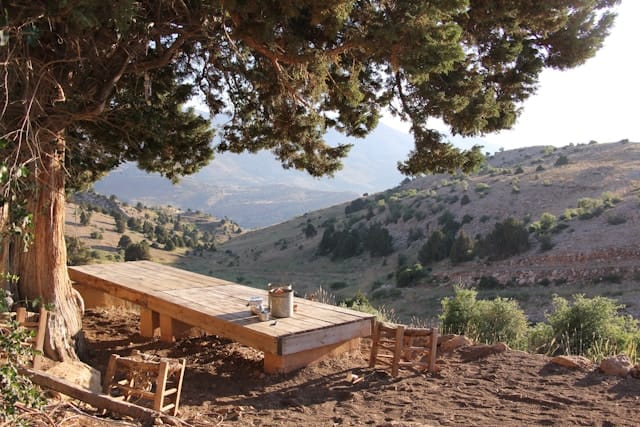
Photo by Kassem Mahfouz on Unsplash
Discover more from BlueEarthDefense
Subscribe to get the latest posts sent to your email.