
By Keith Anthony S. Fabro / Mongabay
The Philippines, long recognized as one of the world’s most important biodiversity hotspots, could lose nearly a quarter of its unique land-dwelling vertebrate species unless urgent conservation action is taken, according to a new study.
In a paper published in Science of The Total Environment, researchers assessed 1,294 species of amphibians, reptiles, birds and mammals. They calculated extinction risks and knowledge gaps by analyzing conservation status data, studying threat patterns using statistical models, and mapping species distributions with geographic information systems to identify underresearched species and their protection status.
Results showed that 15-23% of land vertebrates included in the study are at risk of extinction. Amphibians are the most threatened, with 24% of species at risk, followed by mammals at 19%. Birds (15%) and reptiles (11%) fared slightly better but still showed troubling declines.
“Many species are already on the brink of extinction due to multiple threats,” lead author Krizler Tanalgo of the University of Southern Mindanao told Mongabay. “Alarmingly, despite their vulnerability, many remain poorly studied and documented, leaving critical knowledge gaps that heighten their risk of inappropriate or insufficient conservation measures.”

Endemism and overlooked species
According to the study, the Philippines’ fragmented geography has fueled speciation, the process in which separate populations of a species evolve into distinct species of their own. This has resulted in high levels of endemism: 83% of amphibians, 75% of reptiles and 65% of mammals found in the Philippines occur nowhere else on Earth. Yet this uniqueness also magnifies vulnerability, as island- or mountain-restricted species face greater extinction risks when their habitats shrink. Endemic species face even higher extinction risks, ranging from 20% to 33%.
Charismatic endemics such as the critically endangered Philippine eagle (Pithecophaga jefferyi) and the tamaraw (Bubalus mindorensis), or dwarf buffalo, receive significant conservation investment. But Tanalgo noted that many equally imperiled species, like large flying foxes (Pteropus vampyrus), remain overlooked. “Their lack of public appeal, compounded by stigma linking bats to COVID-19, has further limited conservation efforts and public support,” he said.
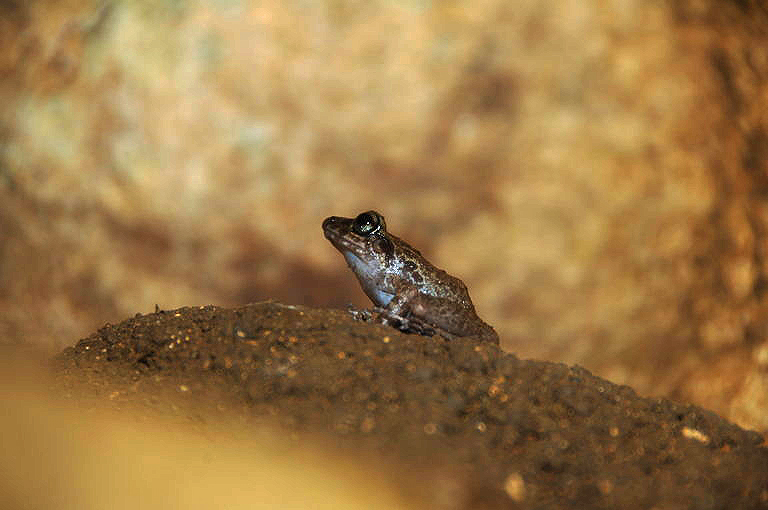
Lisa Paguntalan-Marte, executive director of the Philippines Biodiversity Conservation Foundation Inc., who wasn’t involved in the study, agreed that conservation is hampered by uneven research and funding. “Available funds are biased toward charismatic species,” she said, citing the near-absence of support for critically endangered endemics such as the Cebu flowerpecker (Dicaeum quadricolor), the Visayan bare-backed fruit bat (Dobsonia chapmani), or island specialists like the limestone forest frog (Platymantis insulatus).
Habitat loss and hunting dominate threats
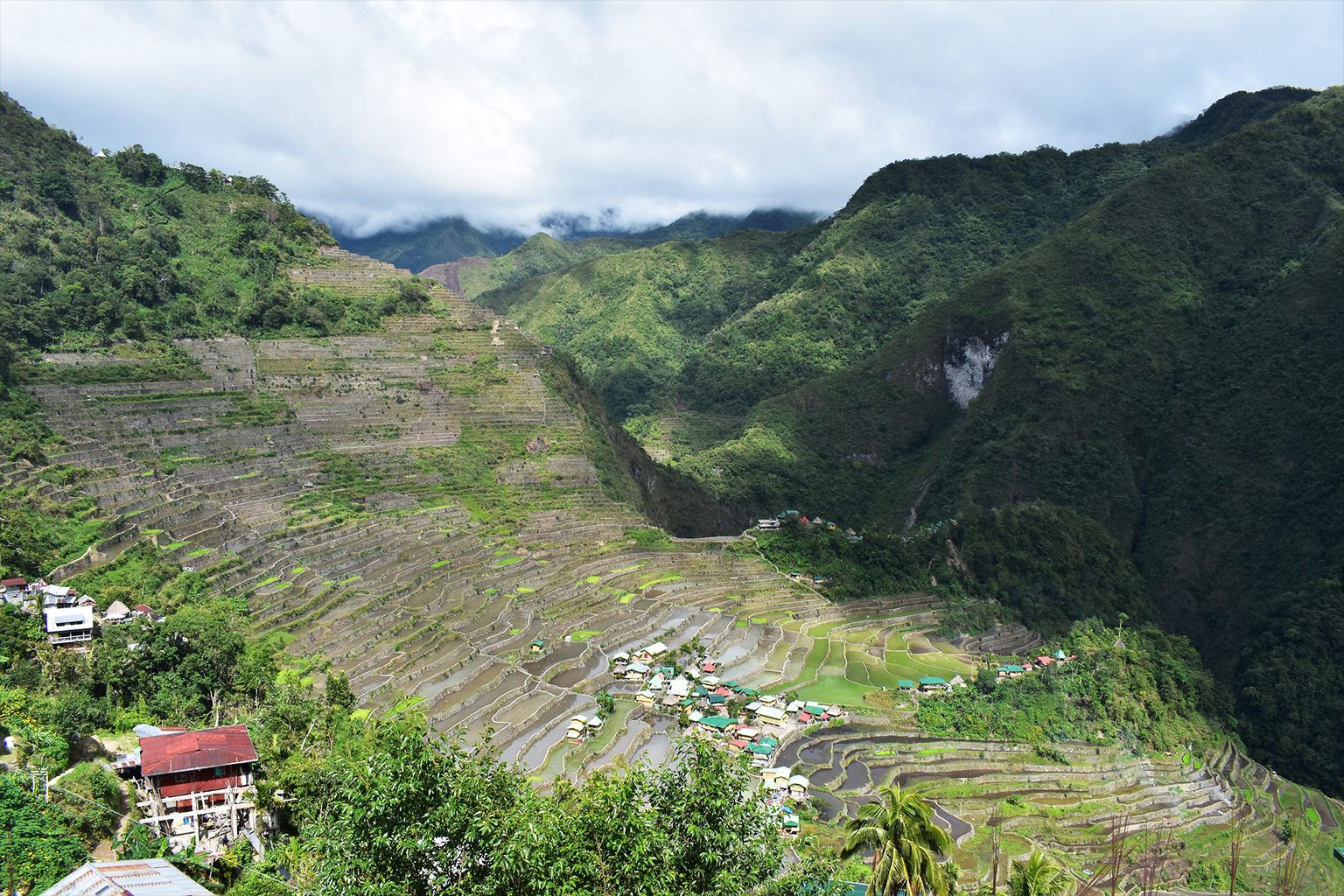
The study identified habitat destruction as the most widespread threat, impacting 90% of endemic amphibians and 48% of endemic birds. Deforestation driven by agriculture, logging and infrastructure continues to fragment the archipelago’s remaining forests.
Overhunting and illegal trade disproportionately affect mammals (52%) and reptiles (47%). Meanwhile, amphibians (7%) are further threatened by invasive species and diseases, while climate change adds stress to endemic birds (12%).
Ecological traits also predict vulnerability. Large-bodied mammals like the Philippine deer (Rusa marianna) and warty pig (Sus philippensis) face greater risks due to their need for large habitats and slow reproduction. Narrow habitat breadth consistently emerged as the strongest predictor of extinction risk across all groups, while herbivorous birds like the Philippine hornbill (Buceros hydrocorax) are particularly sensitive to forest loss.

Knowledge gaps hinder action
Despite looming threats, many species remain poorly studied. Birds and mammals dominate published research and biodiversity databases, while amphibians and reptiles, often more threatened, are understudied. Even among critically endangered taxa, research remains sparse.
Tanalgo attributes the gaps to the logistical challenges of studying remote species and restrictive permitting processes. “Many threatened species are in remote and inaccessible habitats,” he said. “And bureaucratic hurdles, particularly the stringent permitting processes … further constrain opportunities for rigorous research and monitoring.”
Paguntalan-Marte said this reliance on incomplete data often forces conservationists to make decisions based on expert opinion rather than robust evidence. “Basic information on population counts, ecology, distribution, ecology in general are lacking,” she said.
This means species currently listed as data deficient by the IUCN because there’s not enough data to assess their extinction risk could in reality be endangered or even critically endangered. The same dilemma was raised in this study. “In our extinction analysis, we considered ‘data deficient’ as ‘threatened’ assuming they face similar threats and limited home range,” Tanalgo said. “The reliance on incomplete data is because we have limited information available, yet the current analysis can provide useful insights on the status of Philippine biodiversity. The current work remains open for more robust analysis in the future.”
Policy implications
The findings come as the Philippines updated its Philippine Biodiversity Strategy and Action Plan (PBSAP) in line with the global 30×30 target to protect 30% of lands and seas by 2030.
Paguntalan-Marte noted the study’s spatial maps of high-risk species showed little overlap with protected areas, which should directly inform the PBSAP. “These sites should be top targets for protection and restoration,” she said, adding that degraded areas within them could also be prioritized for ecological rehabilitation.
Tanalgo said addressing the knowledge gap is urgent. “One of the most achievable steps is strengthening funding for biodiversity monitoring and species ecology,” he said. He also called for long-term monitoring of lesser-known endemics and collaborative funding schemes among institutions.
Both experts agreed that without stronger investment in research and conservation beyond flagship species, the Philippines’ extraordinary wildlife heritage could vanish.
“Without urgent, evidence-based action,” Tanalgo said, “the Philippines risks losing much of its biodiversity.”
Banner image: The Philippine eagle (Pithecophaga jefferyi) is being pushed to the brink of extinction due to deforestation and unsustainable hunting. Image by Klaus Stiefel via Flickr (CC BY-NC 2.0).
Discover more from BlueEarthDefense
Subscribe to get the latest posts sent to your email.